

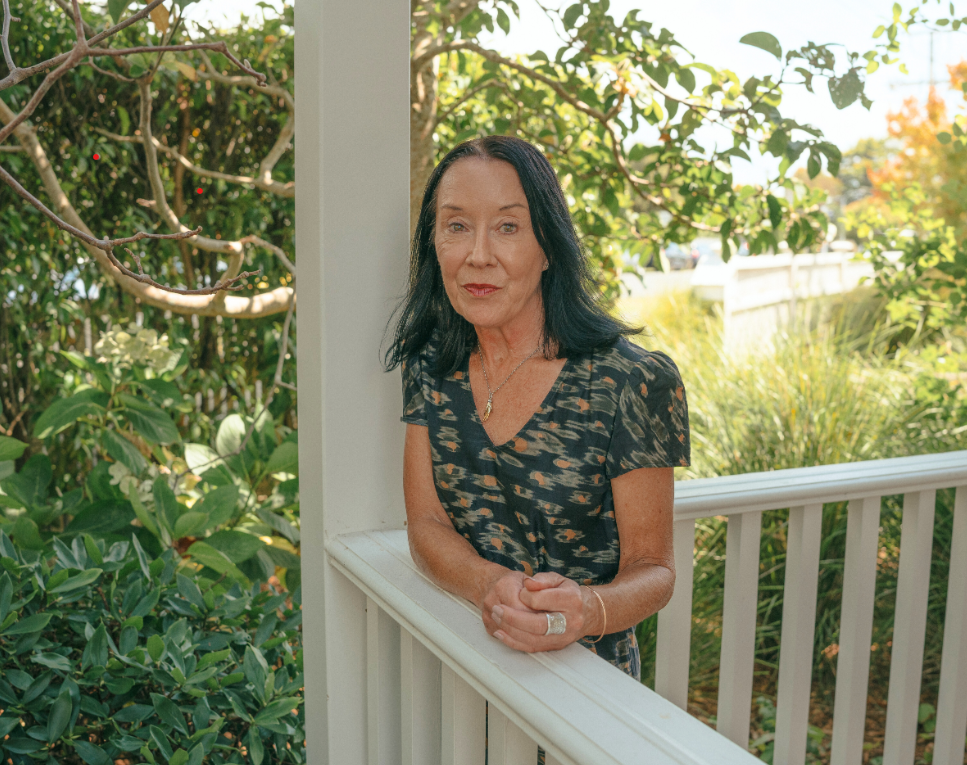
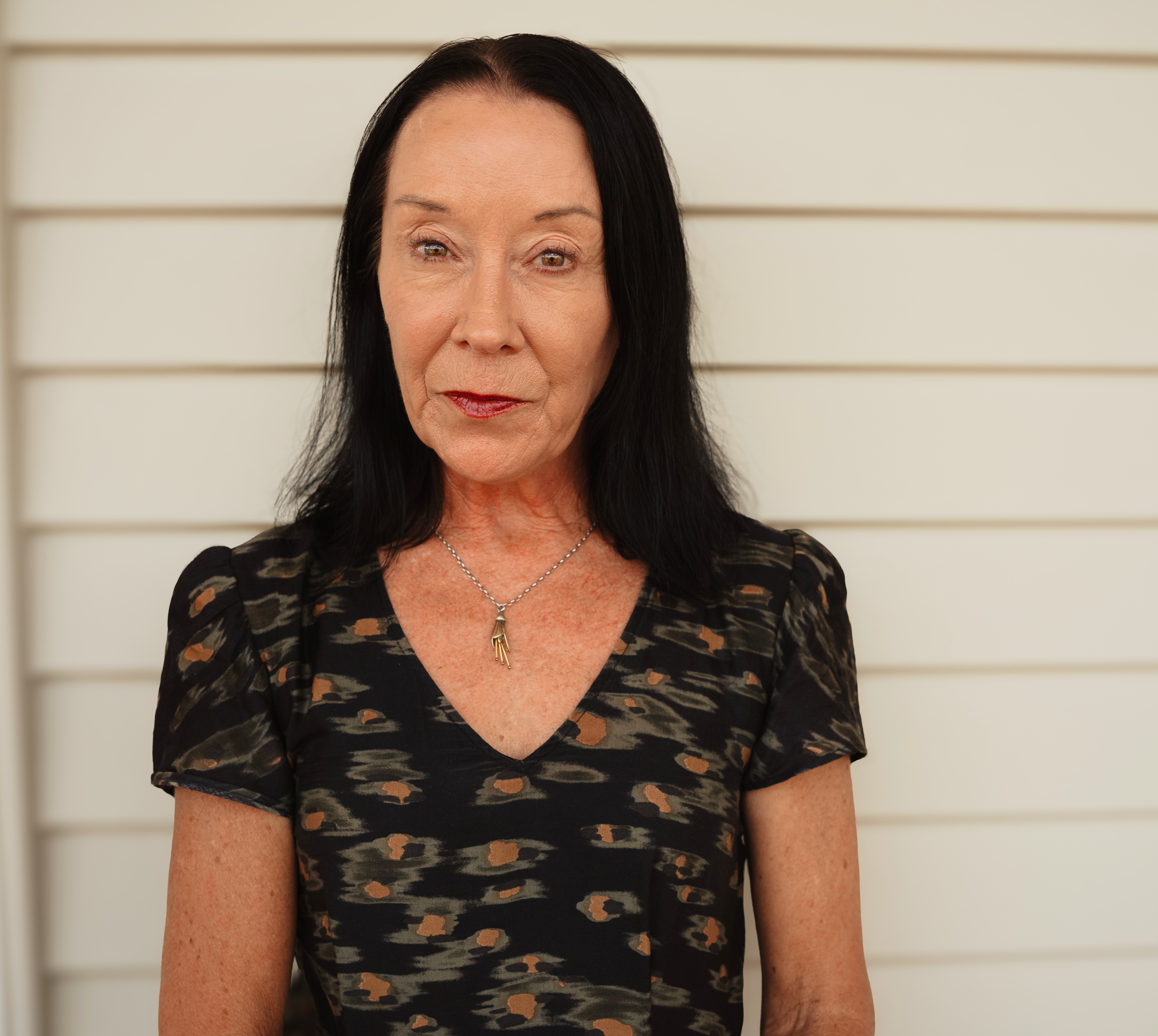
After meeting Trish, I left with an overwhelming sense of passion and admiration for the incredible work she does. From discussing her role within the hospice to the beautiful garden on the hospice grounds, created by the local community she works with, it was clear that Trish’s heart is deeply intertwined with the service and the families it serves. The kowhai necklace she wears was gifted to her by hospice in recognition of her years of commitment and dedication to both the service and the community.
Here's Trish’s response to “So, what impact does hospice have?”
The Difference Hospice Makes
There are so many things that are special about hospice, and I really believe that hospice makes a huge difference. If I just step back, my mum died of a terminal illness when I was 18. When I look at the services that hospices offer now to support families, I wish we had access to that when I was 18. It would have made a huge difference, and the difference would have been multidisciplinary, holistic care. We didn’t get that back then; it wasn’t something that was happening.
A Personal Connection to Hospice
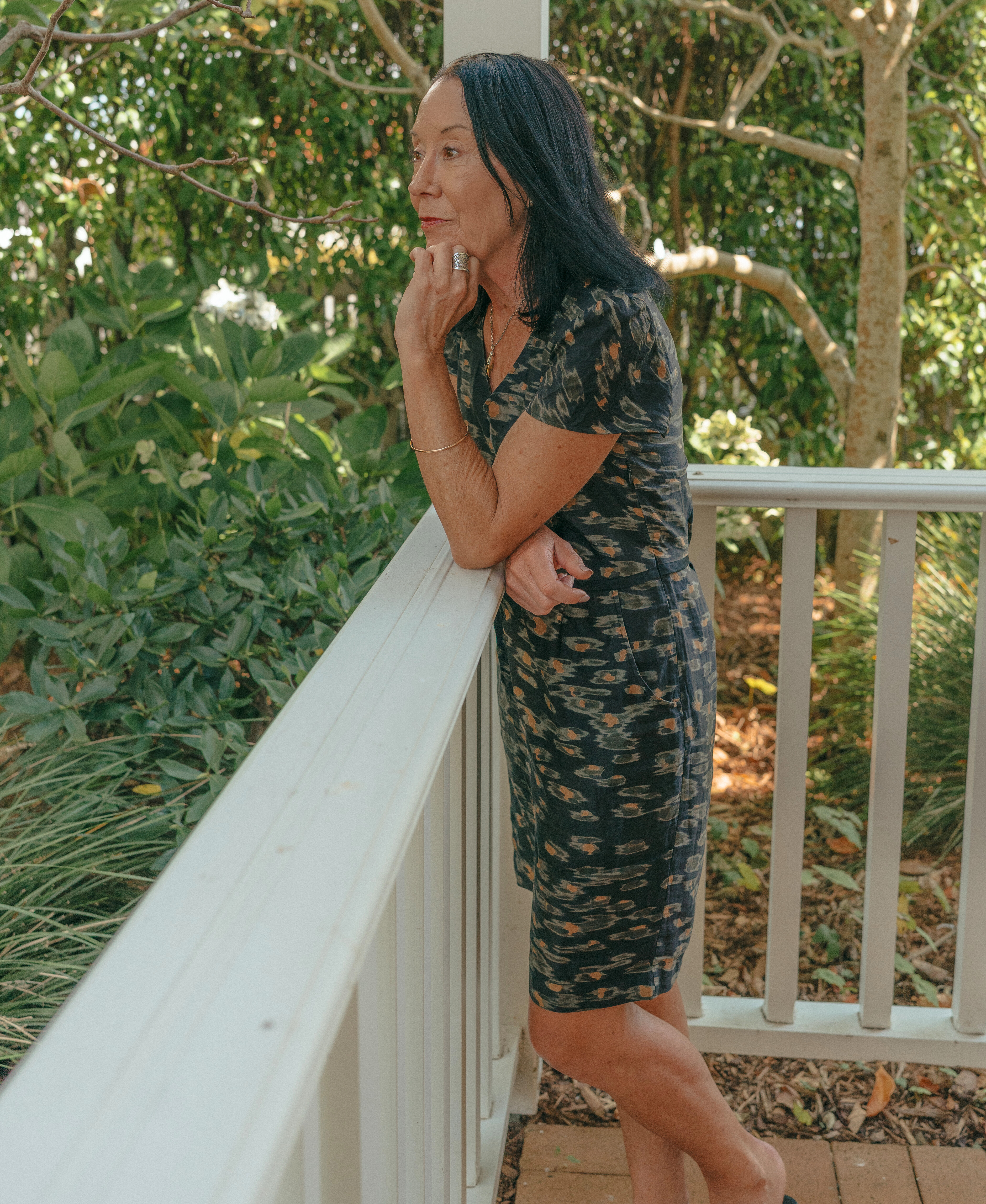
I’m a social worker now, and I really believe that the more we do to support families in a Te Whare Tapa
Wha holistic sense — before the death of their loved one, during the time, and after — is going to positively impact their experience. I can’t see how it wouldn’t. I think the way hospices embrace, and support families is pivotal to their journey.
Why I Work at Hospice
So, that takes me to why I work at hospice. It’s that story, I guess, about my mum, but also because I enjoy working with a mixed group of practitioners who have different approaches to palliative care. We have a big team of people, including medical, pharmacy, social work, counselling, spiritual care, cultural support, physiotherapy, art therapy, and volunteers. All of that comes together to look at the needs of the person and the family. Within a family unit, there are lots of different needs. People require different things — some like to talk, others don’t. In those cases, art therapy or music therapy might be a better fit.
Holistic Care for Individuals and Families
It might also be that a family has a particular cultural need for their dying experience. We’re all individuals, and our needs and situations are all different. I really like being able to be part of that mix. I believe hospice provides the most interdisciplinary care in the health sector. I passionately care about supporting people to have their end-of-life care in the community if that’s where they want to be — whether it’s looking at the view from their home, or whatever is meaningful to them about home, place, person, and culture—and to support that in a community setting.
Breaking Down Barriers and Engaging the Community
And so, I go out to engage with groups that have not traditionally engaged with hospice, or who don’t know about the services we provide, or who face access barriers, inequity issues, or other challenges. I go out and say, ‘This service is available, and it’s for you. We can walk alongside you on this journey.’
Support Where It’s Needed Most
We’ve got this diverse group of people at hospice who provide support where you need it. We’re not here to overtake your family, cultural, or spiritual values. We’re here to come alongside you and provide the very best we can. I speak to lots of community groups and organizations to help break down barriers. We all know about the myths surrounding hospice—like that it’s only for people at the very end stage, or just for people with cancer, or whatever people might believe. So, we have to keep educating and re-educating because there’s always a new group of people who don’t understand what hospice is really about.
Myths and Misunderstandings About Hospice
There’s a big misunderstanding that if you’re going to have hospice help for your mum, for example, it means we’re going to take her away. There isn’t always the awareness that we actually come to you, and we will be alongside you in whatever way you need. We can support the person who is dying, as well as their carer and their whanau, with our multidisciplinary services.
Expanding Hospice Care Beyond Direct Patients
Also, hospices only care for a percentage of people in palliative care. So, we also provide consultancy, advice, resourcing, and support to the generalist palliative care sector, assisting all of those other sector partners.
Our Ethical Responsibility
I believe we’ve got an ethical responsibility to share the work that we do. We have to find ways to get out there,
connect, and show people what this organisation does. These are the benefits of accessing our services — whether it’s needed now or in the future. A big part of my role is building relationships in the community with individuals, community groups, education centres, and healthcare partnerships.
The Role of Hospice in Public Health
I think it’s like a public health community message. It’s about understanding the benefits of knowing, ‘Okay, my mum or our whanau member has a non-curative illness. What support is available? What’s accessible, and where would we go as that progresses?’ It’s about helping people understand that linking with hospice, either through an outreach program, via a medical provider, or directly with the hospice team, earlier rather than later, will positively impact their journey.
Passion for Community Access
I passionately care that people have access to our services. That’s my mission: to go out into the community and make sure as many people as possible know about hospice, so they can benefit. I believe we have an ethical responsibility to share our knowledge, skills, and resources.
Building a Network of Support
Our hospice is building a network of people and organisations involved in the end-of-life space in any way, shape, or form. It’s quite interesting because you might talk to someone, and they’ll think, ‘Oh, we don’t do palliative care.’ But palliative care, in terms of general care for the community and caring for people who are dying, involves more people than you think. We’re all actively involved in palliative care in some form, whether we realise it or not.
The Privilege of Working in Hospice Care
The other reason I love working for hospice is that I work with really nice people. It’s an amazing team. It’s not just a job. It’s not even a career. It’s a calling. It’s what we need to do, and it’s a privilege to work with others who feel the same way.
Working for hospice, to me, is about service to my community.”