

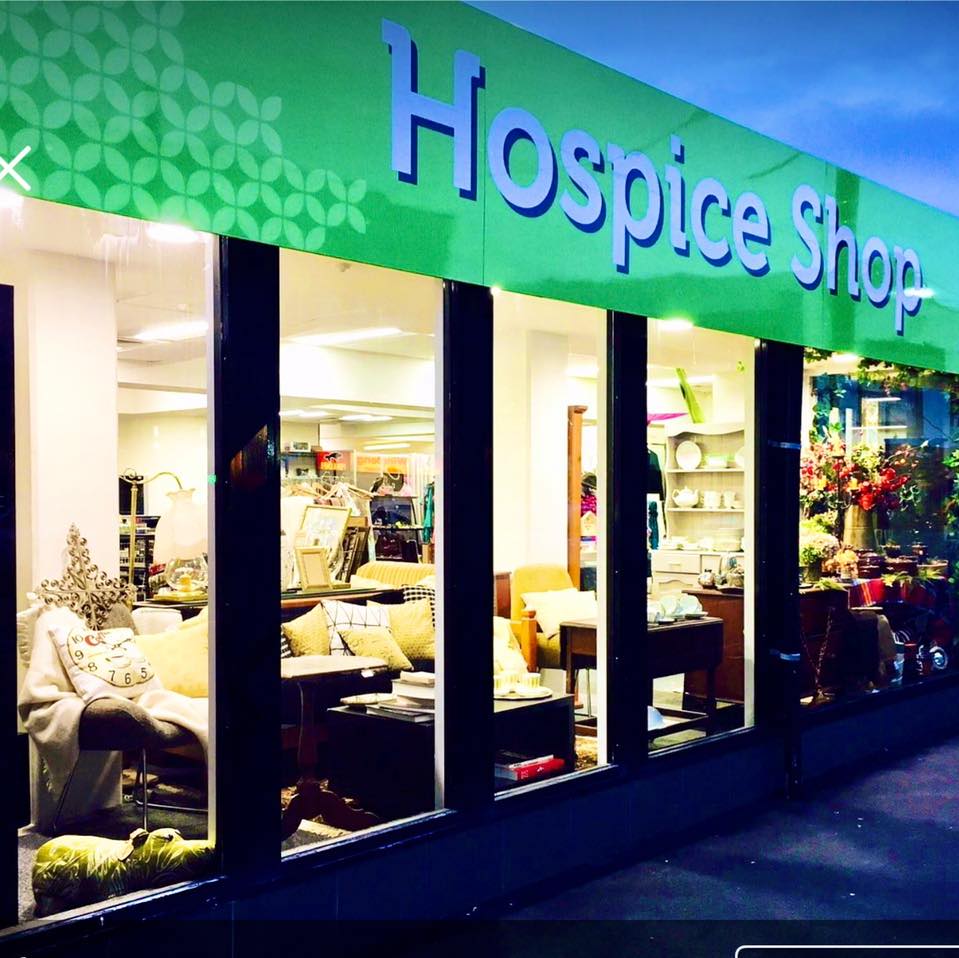
Hospice New Zealand is calling for urgent engagement with Government over the unintended consequences of the proposed ban on contactless payment surcharges — warning that it could cost charitable retailers millions in lost funding for essential healthcare services.
From 2026, the Government will prohibit surcharges on contactless debit and credit card payments in-store, aiming to protect consumers from added costs at the point of sale. However, Hospice NZ says the change risks significant harm to the financial sustainability of hospice services that rely heavily on income from second-hand retail shops.
“The surcharge might be disappearing from the till, but the cost doesn’t go away — it just shifts onto the charitable retailers - those doing significant good in our communities,” said Wayne Naylor, Chief Executive of Hospice NZ.
A Backbone of Community Care at Risk
In the 2023–24 financial year, hospices provided care to over 19,000 people with a terminal illness and supported their families. More than 700,000 visits, consultations, and phone calls were made by hospice staff to patients and their loved ones across Aotearoa.
To deliver this critical work, hospices raised over $112 million to top up Government funding of $114 million. A large portion of this funding comes from second-hand retail shops, which account for approximately half of all charitable income generated by hospices. These stores are volunteer-led, stocked with donated goods, and operate on thin margins.
“We simply don’t have the ability to absorb increasing bank and card provider fees without consequence,” said Naylor. “Every dollar spent on merchant service fees is a dollar taken away from care for people at the end of their lives.”
Wider Health & Social Benefits at Stake
Hospice services not only provide compassionate end-of-life care but also reduce pressure on the public health system. Recent research estimates hospices saved New Zealand’s healthcare system around $110 million last year by keeping patients out of hospitals, emergency departments, and GP clinics — while also delivering over $50 million in wellbeing and social impact benefits.
Policy Risks Undermining Charitable Retail Sector
The contactless surcharge ban means retailers — including charities — will no longer be able to pass on transaction costs transparently to customers. As more consumers use tap-and-go payment options, hospices will face growing merchant service fees, but with no room to raise prices to offset them.
“Hospices can’t negotiate these card fees. They can’t refuse payment methods. And they can’t hike prices on donated items without hurting the communities they serve. That leaves one option: absorbing the costs, which directly reduces our ability to fund care,” said Naylor.
Hospice NZ believes it is important that customers see the cost of their payment choices and that retailers — particularly charities — retain the ability to recover those costs fairly.
Call for Government Action
Hospice NZ is urging the Government to work with the charitable sector to avoid these unintended harms by considering:
• A targeted exemption for registered charities from the surcharge ban
• A subsidy or reimbursement for merchant fees incurred by charities
• A consultation process to develop workable, fair solutions
“Hospices can’t negotiate these card fees. They can’t refuse payment methods. And they can’t hike prices on donated items without hurting the communities they serve. That leaves one option: absorbing the costs, which directly reduces our ability to fund care,” said Naylor.